





扫码添加顾问微信
获取企业专属技术支持


 子虔科技
子虔科技
 2026年04月14日
 Zixel
Zixel
If you look closely at how products are actually built today, you notice a strange tension。Design teams believe they have created a clear model。Manufacturing teams believe they have understood it。Supply chain teams believe they have sourced what the design requires。Yet each group often operates from slightly different versions of the truth。The gaps are rarely dramatic, but even small misalignments create delays, cost swings, and quality issues。 These gaps persist because the systems that support design, manufacturing, and supply were never built to speak the same language。Cloud platforms are beginning to break this pattern——by hosting the model, behavior, metadata, and lifecycle context in one environment, they create a shared foundation that helps all three groups stay aligned without constant translation.
Design intent is fragile。It can fade quickly once the model leaves the CAD environment and enters emails, spreadsheets, or supplier portals。Manufacturing teams receive drawings but lose the reasoning behind constraints。Supply chain sees a BOM but cannot interpret why certain tolerances matter more than others。 Cloud platforms help preserve this meaning by keeping all stakeholders connected to the same living model。Instead of receiving static files, they access a shared representation that carries intent, constraints, and behavioral cues。This reduces the ambiguity that normally grows as the product moves downstream.
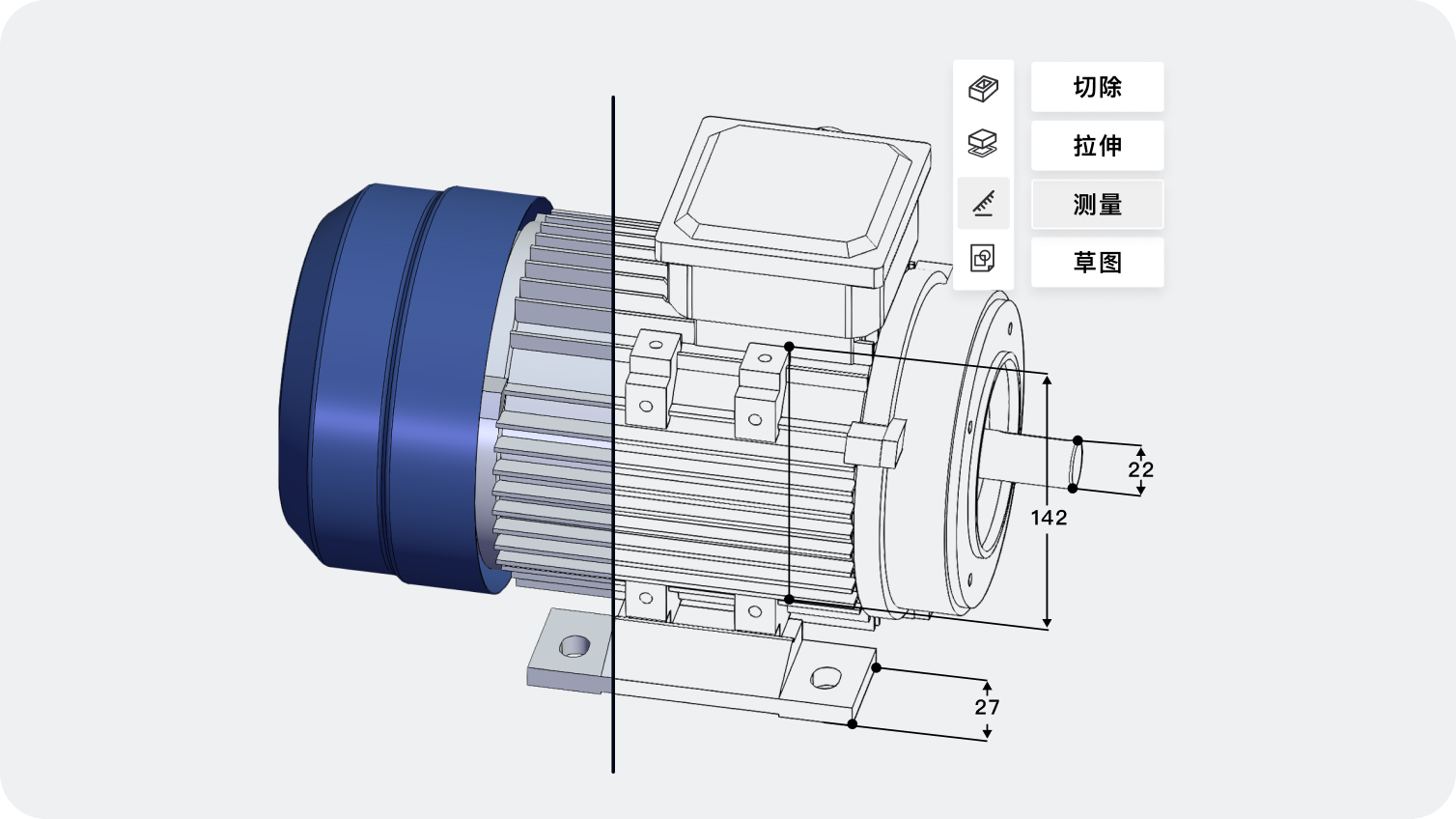
Manufacturing teams have always relied on drawings to understand geometry。But geometry alone does not tell the whole story。A dimension may look flexible when it is actually critical for system alignment。A small fillet may appear cosmetic when it controls stress concentration。A tolerance may seem conservative when it is essential for assembly clearance。 Behavioral modeling in cloud CAD environments surfaces these nuances early。When manufacturing teams access the model, they see not only shapes but the relationships that govern how parts work together。This clarity enables better tooling decisions, fewer late-stage changes, and smoother production ramps.
Suppliers often operate several steps behind design teams。They receive updated drawings only after reviews, and sometimes only after prototypes reveal problems。Cloud platforms solve this by giving supply chain teams limited but timely access to design updates。They see when materials shift, when dimensions tighten, or when the BOM evolves。Real-time awareness reduces surprises and improves collaboration with suppliers.
Most engineering miscommunication comes from one simple issue: each team thinks it is looking at the same product, but the details differ slightly。When the model exists as a cloud-based state rather than a collection of files, the entire organization shares a single representation。Changes propagate immediately。Comments stay attached to specific features。Behavioral cues remain visible to everyone。The bridge between design, manufacturing, and supply is no longer built by meetings。It is built by the platform itself.
Problems that appear late in the lifecycle are expensive because they require redesign, retooling, or renegotiation。Many emerge because manufacturing constraints or supply risks become visible only after the design is nearly locked。Cloud-native CAD environments allow these signals to surface early。Manufacturing teams can flag tooling concerns while the model is still fluid。Supply chain can point out material constraints before prototypes ship。Designers can adjust geometry while changes are cheap。
Once products enter the field, real-world performance becomes one of the most valuable sources of engineering insight。Digital twins feed this information back into the cloud environment。Manufacturing teams see how parts wear over time。Supply chain learns which materials behave consistently。Designers discover which assumptions need refining。The cloud platform becomes not just a bridge but the place where the entire product story lives.
At Zixel, we believe the future of engineering requires tight alignment between design, manufacturing, and supply。Files cannot support that alignment because they fragment the truth。Cloud-native CAD platforms create continuity by hosting the model, behavior, comments, and lifecycle context in one space。Our work focuses on turning the design environment into a shared foundation where downstream partners can see the meaning behind decisions rather than interpreting them from a distance。When teams operate from a single source of understanding, products move from concept to production with fewer surprises and greater confidence.
版权声明:
)
 1V1快速响应
了解更多
关注最新动态,或直接联系我们。
联系我们