






扫码添加顾问微信
获取企业专属技术支持


 子虔科技
子虔科技
 2026年04月14日
 Zixel
Zixel
几十年来,原型一直是硬件开发的 heartbeat。Teams build something, learn from it, revise it, and repeat the cycle until the product begins to stabilize。然而即使在先进工程组织中,原型 still absorbs significant time and cost because so much learning happens only after a physical artifact is built。
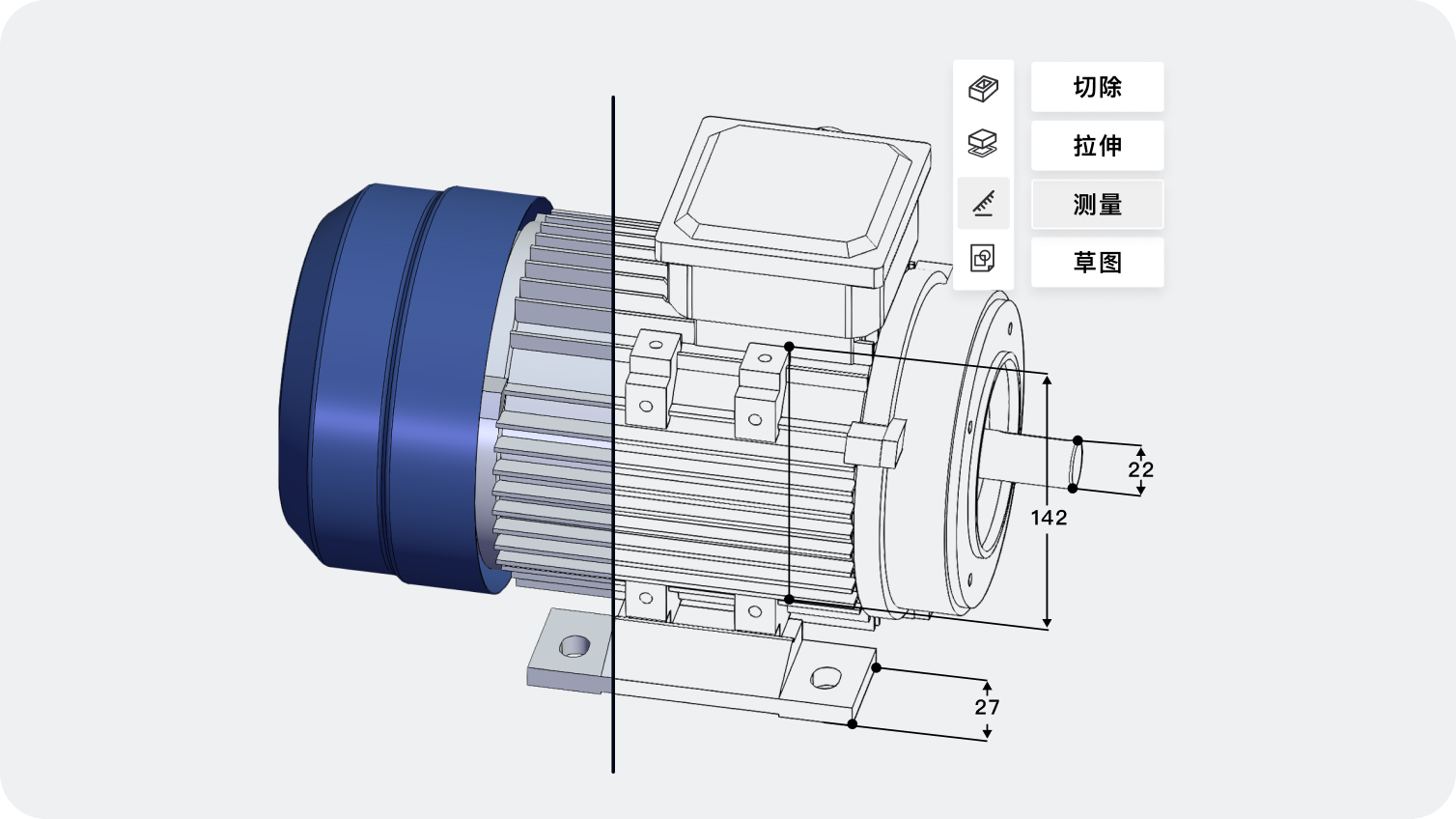
Prototypes are not expensive because they require material。它们 are expensive because they deliver knowledge slowly。A team might wait weeks for a batch of test parts only to discover that a tolerance stack-up creates unexpected interference。Predictive modeling shifts this dynamic—it exposes risks when they form instead of waiting for a physical test。
Many of these insights do not require a prototype if the model already carries the behavior that drives the failure。Predictive systems highlight thin margins、unstable constraints 和 sensitive dimensions long before a part is cut。
Predictive modeling depends heavily on the quality of the underlying CAD environment。A model that expresses only shape cannot produce meaningful predictions。When the model captures behavior, predictive tools can interpret real design meaning。
在 Zixel,我们视预测建模为硬件开发方式的基础性转变。By embedding behavioral understanding and predictive cues inside the CAD environment, we help teams learn earlier and iterate with purpose。
版权声明:
)
 1V1快速响应
了解更多
关注最新动态,或直接联系我们。
联系我们