






扫码添加顾问微信
获取企业专属技术支持


 子虔科技
子虔科技
 2026年04月14日
 Zixel
Zixel
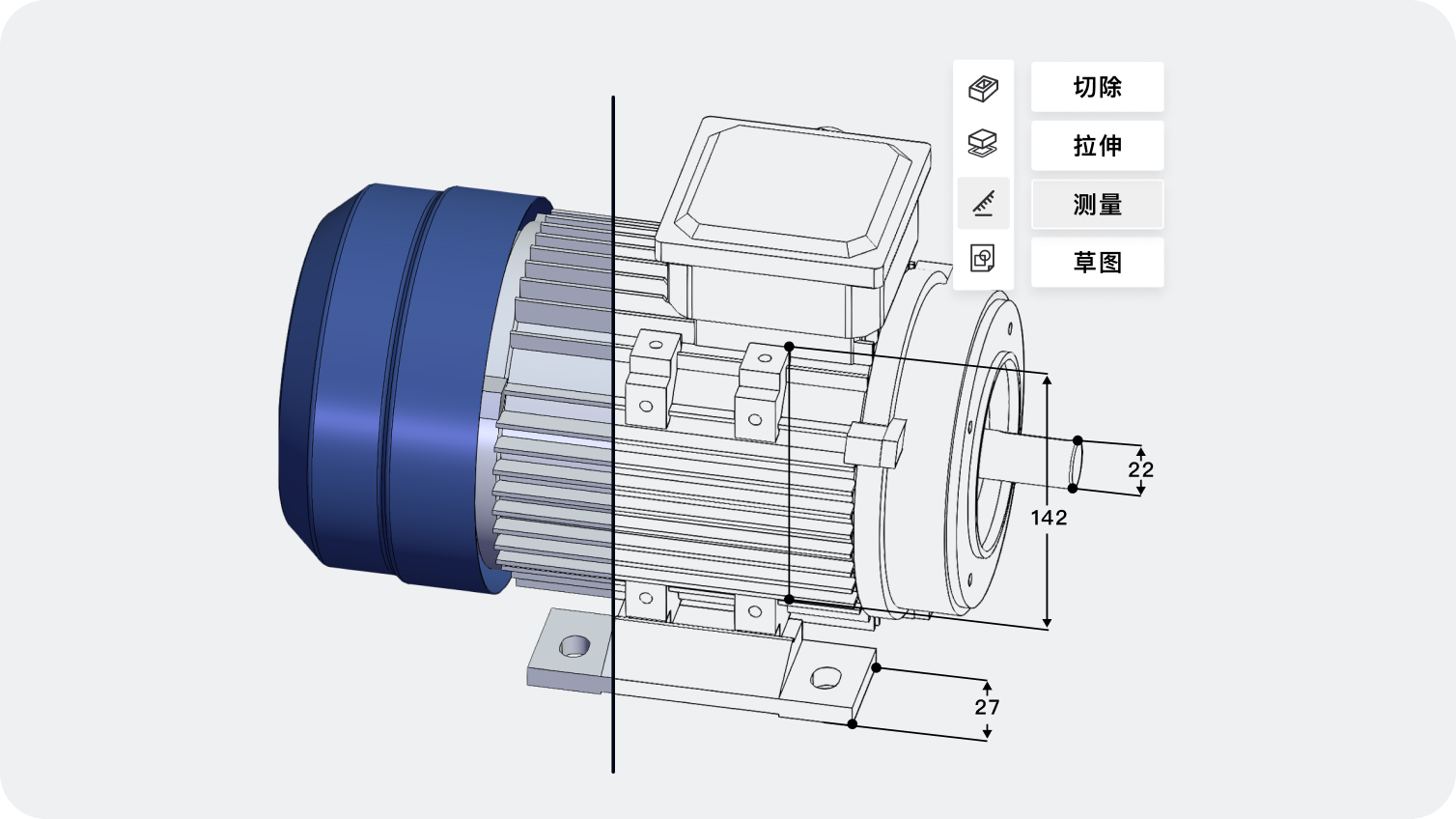
多年来,仿真一直生活在独立的房间——设计师创建几何,分析师运行仿真,两组人 trade files back and forth in a rhythm that felt normal only because there was no better alternative。如果您是设计师,您可以整个职业生涯不自己运行仿真。That separation is starting to disappear——as simulation tools move closer to the modeling environment and predictive engines surface insight in real time,every designer will need a basic fluency in how systems behave,not just how they look。
大多数设计决策在 formal simulation run 开始之前就做出了。Without a sense of how these features influence behavior,designers rely on intuition and experience。当设计师有基本仿真素养时,they begin recognizing the early signs of a weak structure or an unstable constraint。They simply understand the physics well enough to avoid decisions that will collapse later。
Modern tools are dissolving that boundary——behavioral modeling allows the model to express how components move and interact,predictive CAD highlights structural concerns while the designer adjusts geometry。The ability to read the model's behavioral feedback will soon become as important as reading the feature tree。
A designer with simulation literacy does not need to run complex analyses,but they can understand the logic behind the results。This shared language reduces friction——analysts no longer spend time explaining basics,designers no longer feel uncertain about recommendations。
在 Zixel,我们视仿真素养为下一代设计师的核心技能。By embedding behavioral cues directly into the modeling workflow,we help teams understand behavior sooner and collaborate more effectively with analysts and manufacturing。
版权声明:
)
 1V1快速响应
了解更多
关注最新动态,或直接联系我们。
联系我们