






扫码添加顾问微信
获取企业专属技术支持


 子虔科技
子虔科技
 2026年04月14日
 Zixel
Zixel
工程团队花费大量 effort predicting how a product should behave, yet the most valuable insights often arrive only after the product enters the real world。Field performance exposes the stresses, usage patterns, tolerances, and failures that no simulation or lab test can fully anticipate。These signals are powerful, but they rarely make their way back into the modeling environment in a structured way。
Every model carries assumptions about loading, thermal distribution, wear, assembly variation, and user behavior。这些 assumptions are reasonable during design, but they rarely match reality perfectly。Field performance highlights these mismatches clearly—this transforms field performance from a quality-control checkpoint into a continuous improvement mechanism。
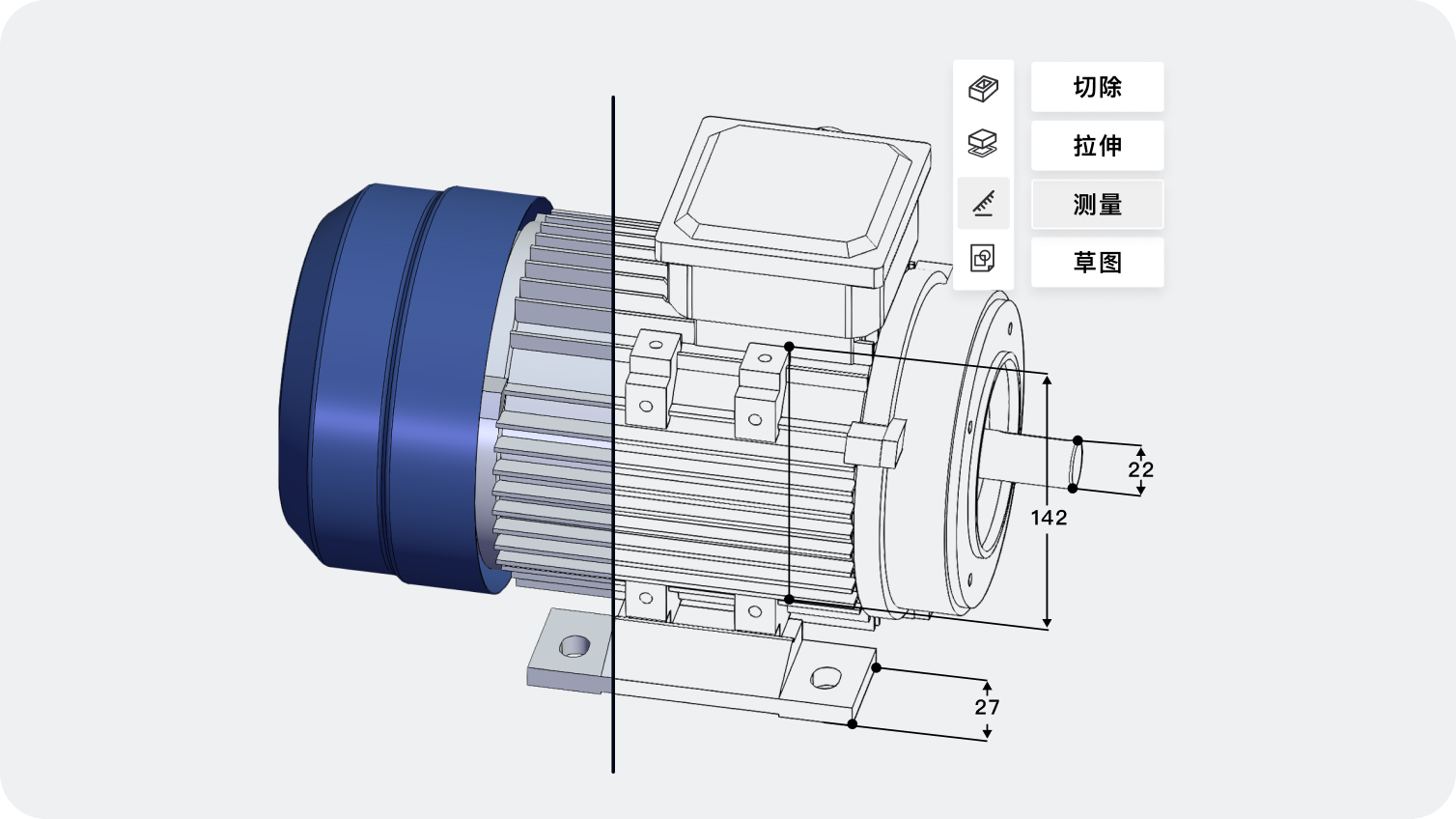
Today's CAD and simulation tools describe how a product should work。They do not learn from how products actually work。When modeling tools incorporate field performance data, they begin to recognize patterns that engineers cannot easily see。
Predictive CAD depends on accurate baselines。Without real-world reference points, predictive features can drift or become overly conservative。Field performance data keeps these systems honest—when the model sees that certain failure modes occur more frequently than predicted, it adjusts its sensitivity。
在 Zixel,我们视现场性能为最未被充分利用的工程智能来源之一。By connecting real-world behavior with the design environment, we help teams build models that grow wiser with each product cycle。
版权声明:
)
 1V1快速响应
了解更多
关注最新动态,或直接联系我们。
联系我们