






扫码添加顾问微信
获取企业专属技术支持


 子虔科技
子虔科技
 2026年04月14日
 Zixel
Zixel
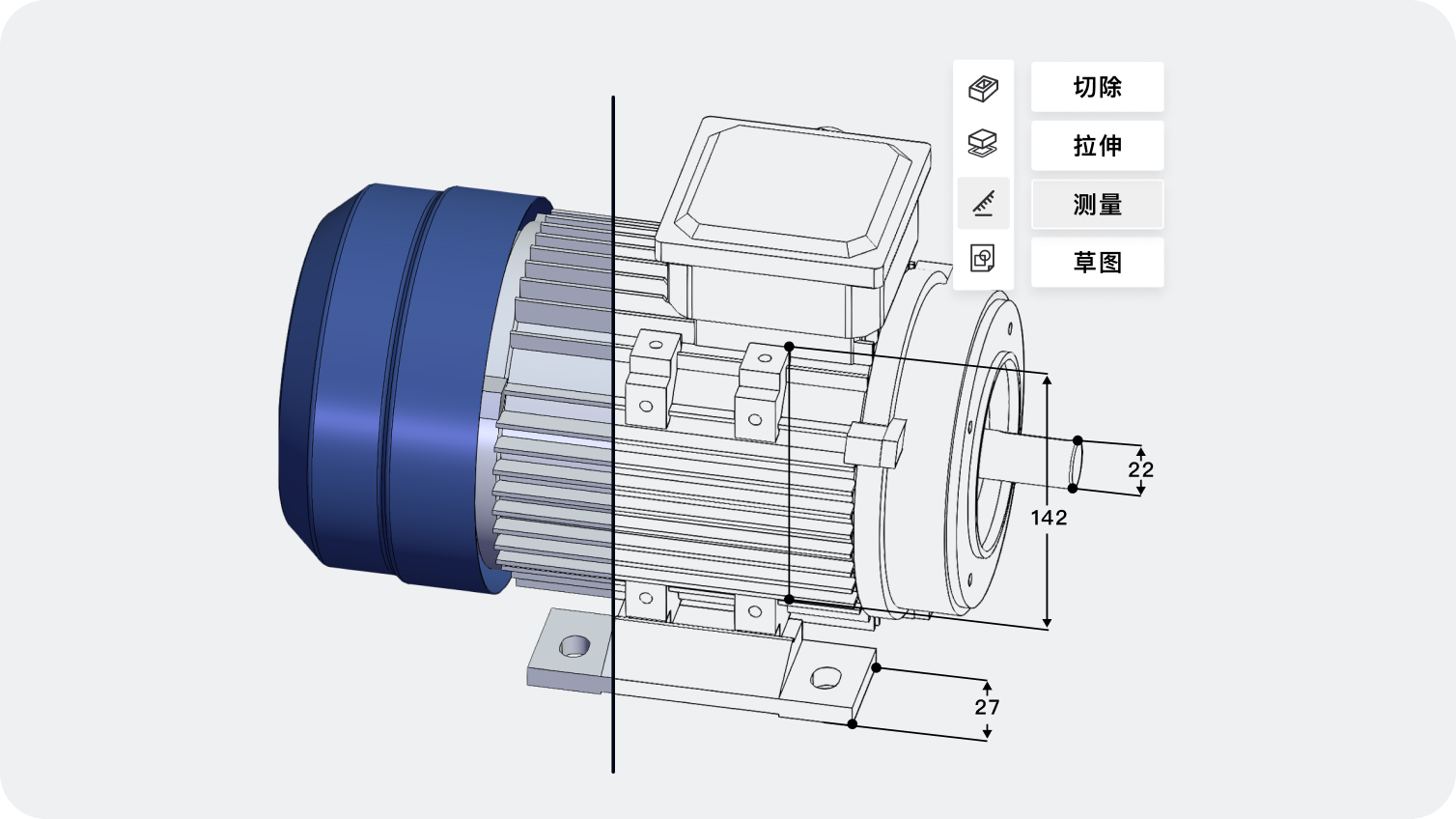
在 CAD 的大部分历史中,软件几乎只关心 geometry(几何)。它想要 edges that met cleanly(干净相交的边)、sketches that closed properly(正确闭合的草图)和 features that followed the rules of the kernel(遵循内核规则的特征)。其他一切——purpose(目的)、reasoning(推理)、重要的 relationships(关系)——lived inside the designer's head(活在设计师的脑海中)。随着产品变得越来越复杂,design cycles(设计周期)加速,模型显示的内容与设计师意图之间的 gap(差距)变得越来越难以忽视。AI 引入了 close that gap(弥合差距)的可能性。AI 不是将模型视为 shapes(形状)的集合,而是可以开始将其视为承载 meaning(意义)的东西。这种转变就是许多人现在所说的 semantic modeling(语义建模)。
当设计师选择特定的 dimension(尺寸)来驱动特征时,那个选择背后就有 meaning(意义)。当他们命名一个 plane(平面)或 reuse a sketch(重用草图)时,他们是在表达一个关于 model should behave(模型应该如何行为)的 idea(想法)。这些 signals(信号)subtle(微妙)但 consistent(一致)。它们显示设计师重视什么,以及在模型演变时想要保护什么。 传统的 CAD 工具没有 pay attention to these signals(注意这些信号)。它们将它们视为 optional metadata(可选元数据)。Semantic modeling(语义建模)recognizes that these decisions are the backbone of intent(认识到这些决策是意图的支柱)。一旦 AI 开始 read these patterns(读取这些模式),模型就变成了比 visual representation(视觉表现)更多的东西。
AI 可以检查 features(特征)的顺序、它们之间的关系以及 constraints(约束)如何协同工作。它看到哪些 elements consistently drive behavior(元素一致地驱动行为)而哪些仅仅是 supporting geometry(支持的 geometry)。Over time(随着时间),它注意到 patterns that reveal the designer's mental model(揭示设计师心智模型的模式)。 这种 understanding(理解)允许 AI 以设计师的方式 evaluate changes(评估变更)。如果修改破坏了 underlying logic(底层逻辑),AI 可以 sense misalignment(感知不对齐),即使 geometry appears valid(几何看起来有效)。这种能力标志着一个 turning point(转折点)。工具已经 beyond checking geometry(超越了检查几何)。它已经开始 understand the structure of thought(理解思维的结构)。
机械设计的一个 major challenge(主要挑战)是有些 mistakes(错误)只在特征创建很久之后才出现。well-intended dimension(好意设置的尺寸)变得过于 rigid(刚性)。reused sketch(重用的草图)将 should remain independent(应该保持独立)的模型部分 tied together(绑在一起)。这些问题隐藏在结构内部,直到 later change(后来的变更)exposes them(暴露它们)。 语义建模允许 AI recognize when a decision contradicts the intent shown in other parts of the model(识别决策何时与模型其他部分显示的意图矛盾)。它可以 remind designers(提醒设计师)they are crossing a boundary they previously protected(他们正在跨越他们先前保护的边界)。目标不是 restrict creativity(限制创造力)而是 preserve coherence(保持一致性)。Respect their own meaning(尊重自己意义)的模型随着时间 behave more predictably(行为更可预测)。
大多数组织 rely on tribal knowledge(依赖部落知识)来解释为什么他们的模型 look the way they do(看起来是那个样子)。语义建模 reduces that dependency(减少那种依赖)。当模型本身 carries meaning(携带意义)时,下一个人不需要 guess why something matters(猜测为什么某事重要)。AI 可以 surface the reasoning embedded in the pattern of constraints and features(呈现嵌入在约束和特征模式中的推理)。 这不 eliminate the need for communication(消除沟通的需要)。它 simply gives teams a foundation(只是给团队一个基础)more reliable than memory alone(比单独的记忆更可靠)。New designers understand intent faster(新的设计师更快理解意图)。Reviews become clearer(评审变得更清晰)。Collaboration feels less like translation and more like shared problem-solving(协作感觉更少像翻译,更多像共享问题解决)。
当模型承载意义时,AI 可以开始 reason about it(对其进行推理)。它可以 recognize when a feature violates the model's internal logic(识别特征何时违反模型的内部逻辑)。它可以 propose modifications that align with intent rather than creating accidental complexity(提出与意图对齐的修改,而不是创建偶然复杂性)。它可以以 collaborative instead of corrective(协作而非纠正)的方式支持设计师。 这就是 semantic modeling(语义建模)变得不仅仅是一种技术 advancement(进步)的地方。它成为工程工具参与工作方式的转变。模型不再是 static object(静态对象)。它变成了 intelligent system(智能系统),capable of representing not just geometry but design knowledge(不仅能够表示几何,还能表示设计知识)。
在 Zixel,我们认为 semantic modeling(语义建模)是云端原生 CAD 的自然演变。Geometry alone cannot capture the richness of real design decisions(仅几何不能捕获真实设计决策的丰富性)。我们的平台正在开发中,以帮助 AI interpret patterns that reveal meaning(解释揭示意义的模式)——在版本历史、约束行为和设计师随时间构建的关系中发现的模式。通过 recognizing intent(识别意图),Zixel 旨在使模型 more resilient、more transparent and easier for teams to trust(更有弹性、更透明、更容易让团队信任)。
当 AI 成为设计循环的一部分时,geometry is no longer enough(几何不再足够)。 工具必须理解模型背后的 ideas,而不仅仅是它呈现的形式。Semantic modeling makes this possible(语义建模使这成为可能),turning CAD into something that learns、adapts and supports the engineering process with greater clarity than ever before(将 CAD 变成比以往更清晰的方式学习、适应和支持工程过程的工具)。
版权声明:
)
 1V1快速响应
了解更多
关注最新动态,或直接联系我们。
联系我们